

PRODUCT
-
Pipe Repair Clamp
-
Elbow & Tee Repair Clamp
-
Saddle & Branch Repair Products
-
Fire Pipe Repair Clamp
-
Pipe Couplings & Expansion Joints
-
OEM Pipe Repair Solutions
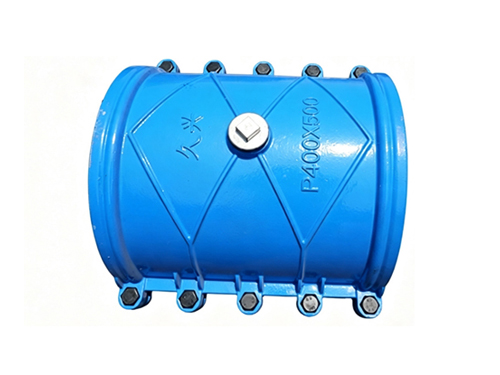
Pipe Repair Sleeve
Product Overview
A Pipe Repair Sleeve is used for repairing and reinforcing damaged sections of pipelines without replacing the complete pipe section. It provides an external sleeve around the affected area and can be used for localized defects such as corrosion, cracks, pinholes, and leakage.
Compared with a conventional repair clamp, a pipe repair sleeve generally provides broader coverage along the pipe length. The sleeve can be installed around the damaged section and secured using mechanical fastening or other specified connection methods.
Structure and Sealing
A Pipe Repair Sleeve typically consists of one or more metal sleeve sections designed to surround the outside diameter of the pipe. Depending on the application, sealing material may be positioned between the sleeve and pipe surface.
The sleeve length and internal diameter can be selected according to the damaged section and pipeline dimensions. When fastening components are used, the sleeve sections are tightened around the pipe to provide external reinforcement and maintain contact with the repair area.
Specifications
Product Type: Pipe repair sleeve
Application: Pipeline repair and reinforcement
Pipe Diameter: Available for different pipe sizes
Sleeve Length: Configurable according to damaged area
Sleeve Body: Metal construction
Sealing Element: Rubber, elastomer, or specified sealing material
Fastening: Bolted or other mechanical connection
Repair Coverage: Suitable for localized and extended damaged sections
Surface Treatment: Configurable according to service environment
Applications
Pipe Repair Sleeve can be used for:
Pipeline leak repair
Corrosion damage reinforcement
Pipe crack repair
Pinhole defect sealing
Localized pipe wall damage
Water supply pipelines
Industrial piping systems
Utility and infrastructure pipelines
When selecting a Pipe Repair Sleeve, the pipe outside diameter, damaged section length, pipe material, wall condition, operating pressure, temperature, and required repair coverage should be considered to determine the appropriate sleeve dimensions and sealing configuration.