

PRODUCT
-
Pipe Repair Clamp
-
Elbow & Tee Repair Clamp
-
Saddle & Branch Repair Products
-
Fire Pipe Repair Clamp
-
Pipe Couplings & Expansion Joints
-
OEM Pipe Repair Solutions
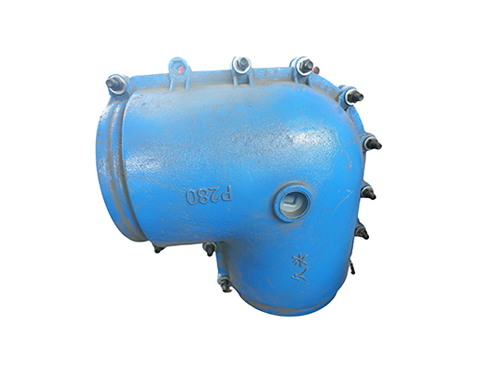
Elbow Repair Clamp
Product Overview
An Elbow Repair Clamp is designed for localized maintenance of pipe elbows affected by leakage, cracking, corrosion, or mechanical damage. Its curved structure follows the profile of the elbow, allowing the clamp to cover the damaged section and provide external reinforcement.
The assembly typically includes a shaped metal clamp body, sealing gasket, bolts, and nuts. After positioning the clamp around the affected elbow, the fastening system compresses the gasket against the pipe surface.
Structure and Sealing
The clamp body is formed according to the outside curvature and connection angle of the elbow. This allows the repair assembly to accommodate directional pipe sections where a conventional straight pipe clamp may not provide sufficient coverage.
A gasket is placed between the clamp and elbow surface to cover the damaged area. Tightening the bolts creates clamping pressure between the repair body and pipe, helping maintain the gasket in contact with the leakage area.
Specifications
Product Type: Elbow repair clamp
Application: Curved pipe and elbow repair
Elbow Angle: Available according to pipeline geometry
Pipe Diameter: Configurable for different pipe sizes
Clamp Body: Metal construction
Sealing Element: Rubber or elastomer gasket
Fastening System: Bolts and nuts
Connection Type: Mechanical repair connection
Surface Treatment: Configurable according to service environment
Configuration: Selected according to elbow dimensions and damaged section
Applications
Elbow Repair Clamp can be used for:
Pipe elbow damage repair
Elbow connection sealing
Curved pipeline maintenance
Localized crack repair
Corrosion-related damage repair
Water supply pipelines
Industrial piping systems
Utility and fire protection pipelines
When selecting an Elbow Repair Clamp, the elbow outside diameter, connection angle, pipe material, operating pressure, temperature, curvature, and damaged area should be considered to determine the suitable clamp dimensions and sealing configuration.