

BLOGS
Fire Protection Pipe Repair: Clamps and Fittings That Keep Systems Ready
2026-10-17 06:56:17
Fire Protection Pipe Repair: Clamps and Fittings That Keep Systems Ready
Fire protection piping is judged by a stricter standard than ordinary process pipe, and the reason is uncomfortable to think about: the system must work on the worst day, after sitting idle for years. A water main that weeps a little is a maintenance item. A sprinkler riser that weeps a little is a liability notice waiting to be written. Mechanical repair clamps made for fire service exist for exactly this environment, and choosing them involves standards, materials and documentation that ordinary plumbing repairs never touch.
What makes fire piping different
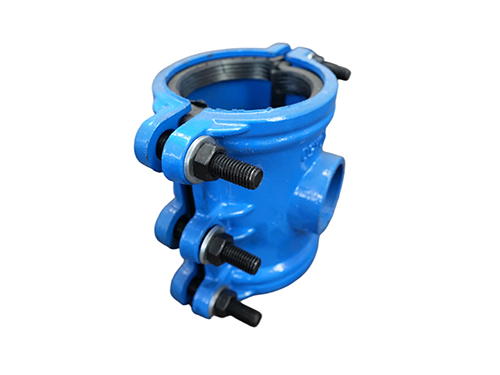
Three things. Pressure, for a start: fire mains see test pressures and pump churn pressures well above everyday municipal levels, so fittings need headroom above nominal rating. Then there is the duty cycle. Fire pipe sits dry or stagnant for years, which is harder on rubber than continuous flow, because seal compounds can take a compression set and grow stiff without anyone noticing. Finally, inspection. A fitting on a fire system will be examined by an inspector with a checklist, and undocumented hardware fails that checklist even when it holds water. All three factors push the specification toward purpose-made clamps from a manufacturer who understands the fire market, rather than generic fittings pulled from a plumbing van.
Which repairs clamps can handle here
The practical fault list on fire piping is short. Corrosion pinholes on wet system pipe, weeping at flanged and grooved joints, cracks from freeze events and mechanical damage during building work cover most of it. Fire pipe repair clamps handle these the same way their municipal cousins do: two ductile iron halves closing a gasket over the fault. The differences are in the details. Rated working pressure is set higher to match system test requirements. The gasket compound is specified for long-term standby, and the coating is chosen for the pipework environment, which in plant rooms means appearance matters too, since a rust-streaked clamp on a riser attracts questions during every walkthrough.
The documentation side of the job
Sourcing for fire systems runs on paperwork. The buyer, often a contractor working to an engineer's specification, needs to show what the fitting is made of, what pressure it was tested to and who stood behind it. That means material certificates for the ductile iron body, compound data for the gasket, and hydrostatic test records from the factory. Suppliers who serve this market keep those documents ready as a matter of routine, because a fire project without traceable components does not pass commissioning. It sounds bureaucratic until an insurer asks one question about one fitting, and the answer is a five-minute lookup instead of an archaeology project.
Standards that shape the specification
Fire sprinkler and standpipe work sits inside a framework of standards that dictate materials, joining methods and testing. Sprinkler system installation standards cover pipe materials, fitting pressure classes and hydrostatic test procedures for the completed system. Component standards for ductile iron fittings and flanges define the mechanical side. None of this is light reading, and a contractor is not expected to recite it, but the supplier should be fluent. A manufacturer who knows which flange drilling and which pressure class the local fire code implies, without being reminded, has done this before, and that familiarity is part of what you are buying.
Installation notes specific to fire lines
Most of the standard clamp procedure carries over: clean the pipe, seat the gasket, torque in stages across the pattern. Two additions apply. First, system pressure during a fire event can be dynamic, with surge from pump starts, so the observation period after installation should include a pump test if the schedule allows. Second, accessibility is a code concern as much as a practical one. A repair clamp buried behind a permanent ceiling without an access panel is a violation regardless of how well it seals. Plan the location, not just the fitting.
Keeping spares for the bad day
Facility teams who think ahead keep a small fire repair stock: clamps in the site's riser diameters, a few gaskets, and the torque sheet in a folder someone can find. The reason is the same as for municipal crews. Fire pipe failures happen at inconvenient hours, and a fitting on the shelf turns a midnight plumbing emergency into a routine maintenance task by morning. Rotation matters more here than anywhere, since rubber ages on the shelf as well as in service, and a ten-year-old spare gasket is not the part you want meeting its first pressure test during an alarm.
Choosing the supplier
For fire work, screen manufacturers on three points: pressure capability above your system's test pressure, documented gasket compounds suited to standby service, and willingness to supply full traceability with each batch. A factory producing ductile iron clamps for municipal and fire applications will usually have the range and the paperwork already in place, which shortens both the specification conversation and the delivery.
References
National Fire Protection Association, NFPA 13: Standard for the Installation of Sprinkler Systems, Quincy, Massachusetts.
National Fire Protection Association, NFPA 25: Standard for the Inspection, Testing, and Maintenance of Water-Based Fire Protection Systems, Quincy, Massachusetts.
European Committee for Standardization, EN 1092-1: Flanges and their joints, circular flanges for pipes, valves, fittings and accessories, PN designated, Brussels, Belgium.
ASTM International, ASTM A536: Standard Specification for Ductile Iron Castings, West Conshohocken, Pennsylvania.